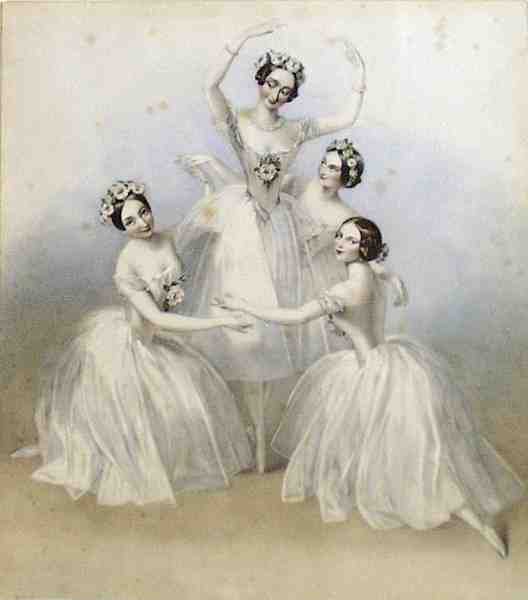
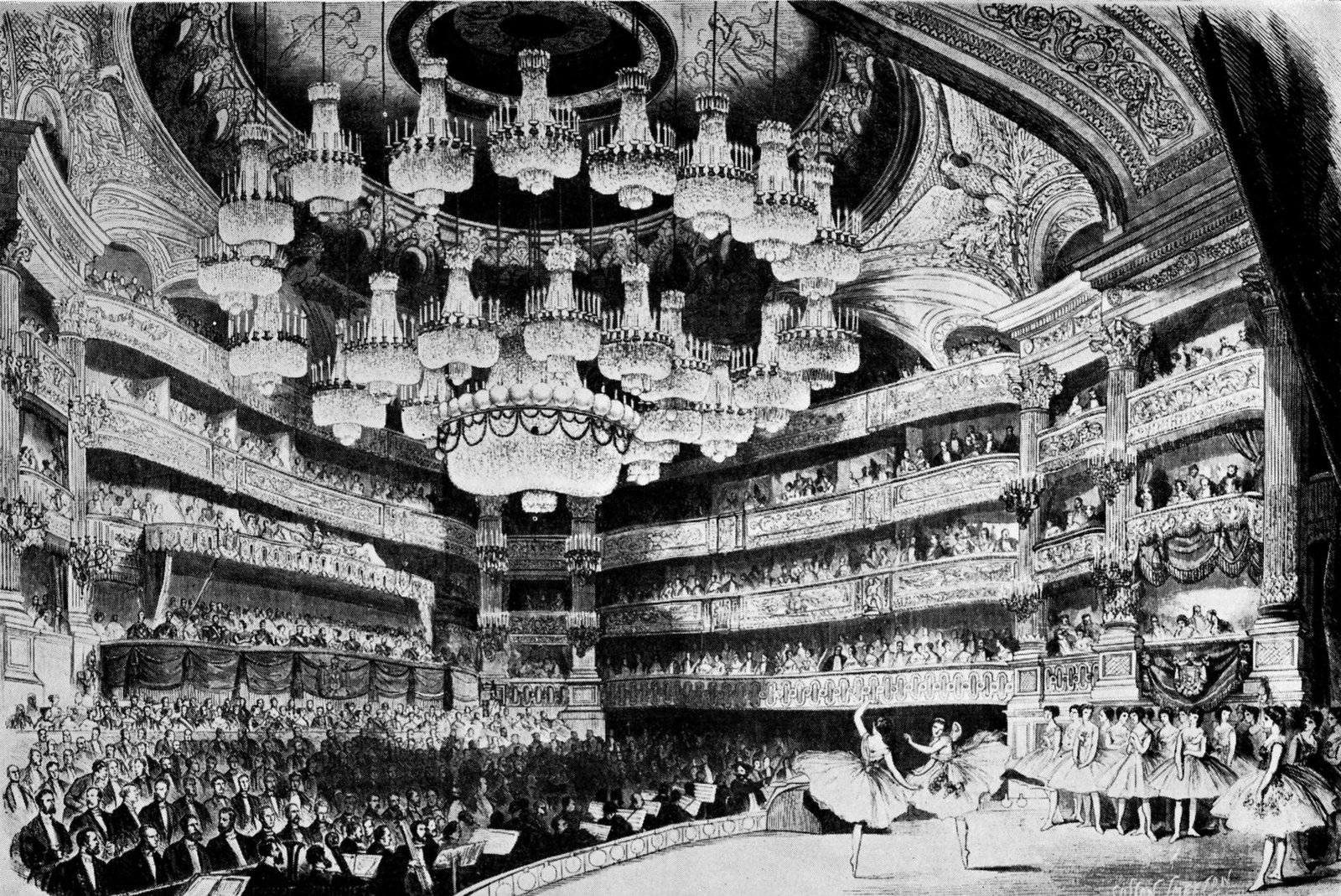
Ballet in London had its heyday in the 1840s. Several cornerstone works of the Romantic Ballet era were premiered at Her Majesty’s Theatre with the balletmaster Jules Perrot at the helm: Ondine ou La Naïade in 1843, La Esmeralda in 1844, Pas de Quatre in 1845 (where Perrot succeeded in the not insignificant task of engaging Lucile Grahn, Carlotta Grisi, Fanny Cerrito and Marie Taglioni on the same stage) and Catarina ou La Fille du Bandit in 1846. As such, Perrot was named Premier Maître de Ballet in 1842. During this period, most of the ballets were created to music by Cesare Pugni, and a new position was created for him: Composer of the Ballet Music to the Theatre in 1843.
However, this golden era of London ballet was to come to an end as Perrot relocated to Russia in 1850, followed by Pugni. What ensued was a decline in the London ballet scene, as few narrative multi-act ballets were created or presented on London stages, and ballet increasingly shifted toward shorter ballet-divertissements that proved more popular with opera audiences. In Russia, however, ballet flourished under Perrot, Saint-Léon and the celebrated Petipa, with creations like La Fille du Pharaon in 1862, Le Petit Cheval Bossu in 1864 and La Bayadère in 1877. Petipa also revived ballets that were created on the London stage; staging revivals of Catarina in 1870, Ondine in 1874 and La Esmeralda in 1886.
The revival of ballet in London began with James Henry Mapleson returning to Her Majesty’s Theatre in 1877. £6,000 was spent on fitting out the theatre, and on 28 April 1877 it returned to theatrical use with a revival of Bellini’s Norma. In an unprecedented move, Mapleson engaged William Thompson‘s ballet troupe to stage a ballet for the reopening of the theatre. It was decided to mount a new production of Pugni’s 1843 ballet Ondine, to recall London’s golden era of ballet under Perrot and Pugni. Mapleson believed that due to the successes of ballet in Russia (and the British aristocracy greatly admiring the opulence of the Russian Court) the production of the ballet would be a successful gamble that would bring in ticket sales.
Thankfully for Mapleson, his gamble turned out to be a successful one and the production sparked a renewed interest in ballet in Britain. Mapleson decided to continue reviving old London and Paris successes from the 1840s and 1850s, continuing the revival of Ondine with revivals of Esmeralda in 1878, Giselle in 1879, The Five Senses in 1880 and The Corsair in 1881. Mapleson also made the deliberate decision to market and advertise these ballets with English titles, to better appeal to the public. This was thought of as a break with tradition by many, including Thompson, who still continued to rehearse and to refer to the ballets using their original French titles.
The 1881 production of The Corsair attracted the Duchess of Connaught to attend, further lending credence to the continuation of the ballet. Thus, from 1882 Thompson was given permission to stage two productions a season. This convention was followed until 1887 when Thompson received an invitation from the Royal Italian Opera at Covent Garden to move his ballet troupe. As Thompson was already quarrelling with the theatre manager (who refused to allow him to create a new ballet) he accepted the invitation.
The troupe’s first performance at Covent Garden was Ondine in 1887, the same ballet which had been used to open their residence at Her Majesty’s theatre ten years earlier. The ballet was again a success, with the German Première Danseuse Marta Draeger dazzling in her performances as the titular nymph.
Thompson eventually got his wish and he was commissioned to create a new original ballet for the 1887 season, the one-act ballet The Amphitrite. Thompson would go on to create four more original ballets during his tenure as balletmaster at Covent Garden, with his most popular creation turning out to be his final 1896 ballet, The Swords of Toledo. The ballet was a tremendous success, with critics declaring that the ballet rivalled productions staged on Parisian or St. Petersburgian stages.
The five most popular ballets on the London stage were: Ondine, Giselle, The Wayward Daughter, The Devil to Pay and The Corsair.
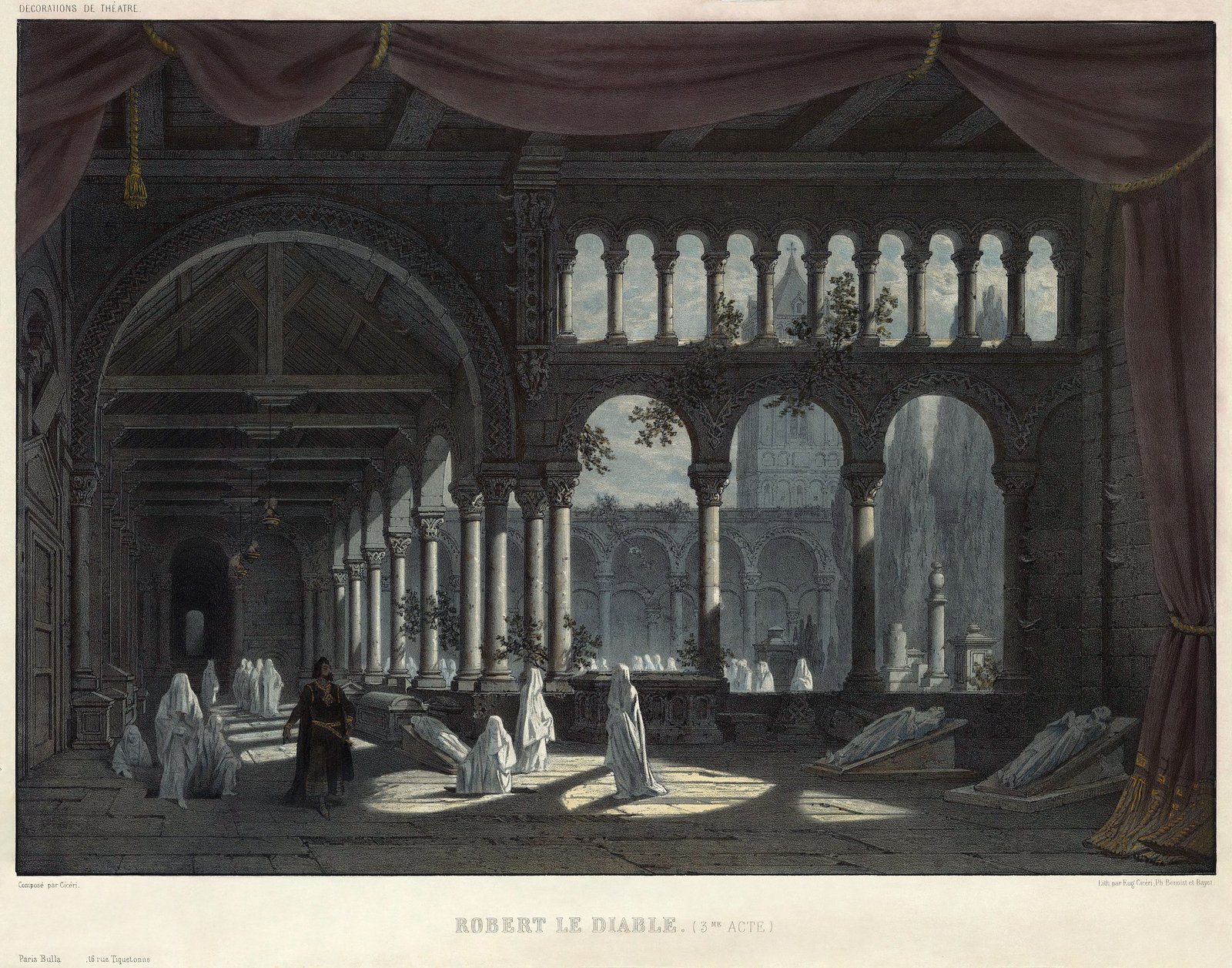
Esmeralda, despite its popularity in Russia never quite managed to achieve quite the same popularity with audiences in London, though the critics almost universally praised the ballet. In fact, Thompson had a particular distaste for Russia and instead looked to Paris for inspiration. This led to the repertory consisting principally of revivals of old and new Parisian works with the notable absence of the successes of Marius Petipa in St. Petersburg. However, Thompson did, on several occasions, request to stage some of Petipa’s ballets in London (at different points requesting permission to stage La Fille du Pharaon, La Vestale, Le Talisman and La Belle au Bois Dormant) but was denied permission by St. Petersburg to do so.
The Ballet World of London
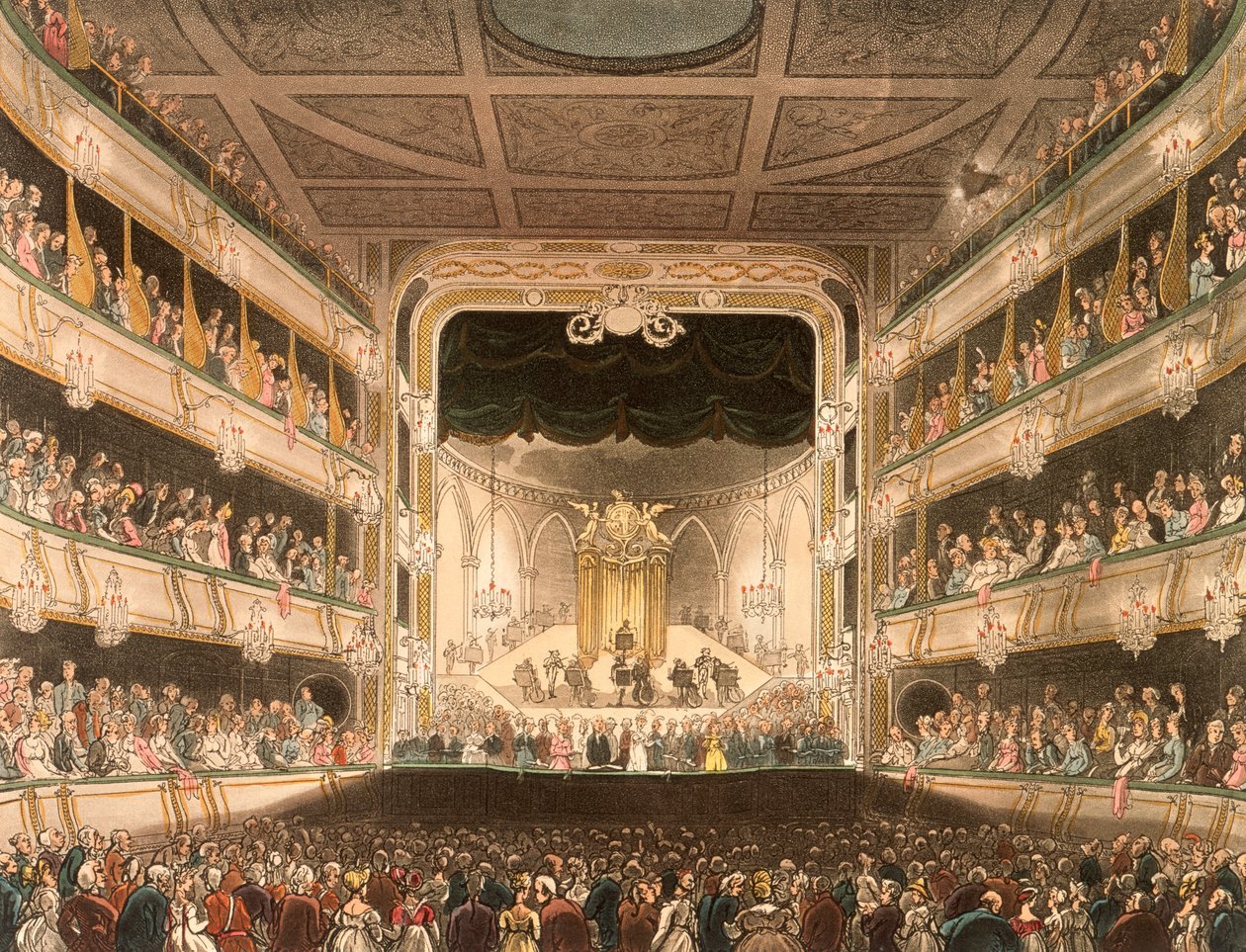
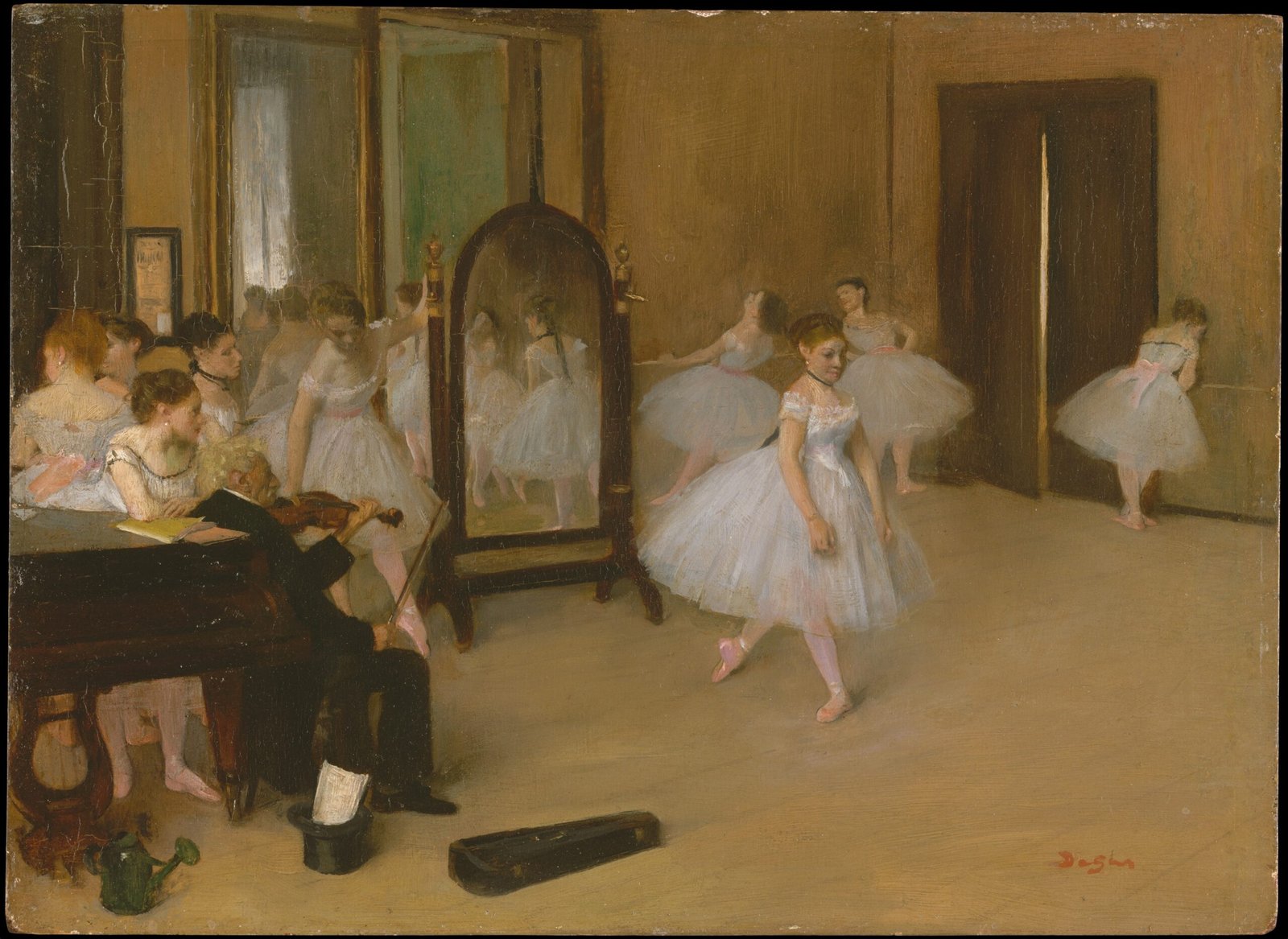
The ballet world in London, though revitalised by Thompson, did not exist in isolation or intransigence. Below are some further discussions to provide context and background, both to the workings of Her Majesty’s and Covent Garden and to the development of ballet in the late 19th and early 20th centuries.